

 5 min
5 minAbstract: Recently, Amylyx Pharmaceuticals announced positive topline results from the Phase 3 LUCIDITY clinical trial of its GLP-1 receptor antagonist Avexitide for the treatment of post-bariatric hypoglycemia (PBH). The study met its primary endpoint, with hypoglycemic events reduced substantially in the Avexitide group compared with placebo. Based on these results, the company plans to advance regulatory discussions and prepare for a potential marketing application.
One-Sentence Summary
Amylyx’s Avexitide has completed one of the first pivotal Phase 3 clinical validations in PBH, providing further clinical evidence for the use of GLP-1 receptor antagonism in the treatment of post-bariatric hypoglycemia.
1. PBH Has Long Lacked Targeted Therapies, Making the GLP-1 Pathway a Key Therapeutic Entry Point
As the number of bariatric surgeries has increased, postoperative metabolic complications have received growing attention. Among them, post-bariatric hypoglycemia (PBH) remains a challenging condition in clinical practice.
PBH typically occurs after bariatric procedures such as gastric bypass. Following meals, patients may develop an exaggerated insulin response, resulting in a rapid decline in blood glucose levels. Some patients experience significant symptoms, including fatigue, sweating, and altered consciousness, with severe cases potentially requiring medical intervention.
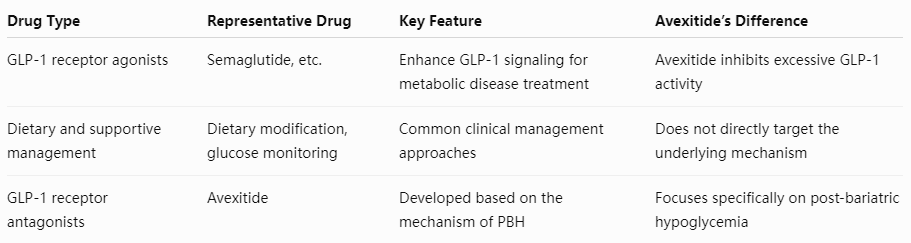
Current management of PBH primarily relies on dietary modification, glucose monitoring, and symptom management, with limited approved pharmacological options that directly target the underlying disease mechanism. As a result, developing therapies capable of modulating the abnormal metabolic response remains an important area of research.
Avexitide targets a mechanism closely associated with the pathophysiology of PBH.
Following bariatric surgery, some patients experience markedly increased secretion of gut-derived GLP-1. Excessive activation of the GLP-1 receptor can promote insulin secretion and trigger postprandial hypoglycemia. Therefore, blocking GLP-1 receptor signaling to reduce the excessive insulin response provides the mechanistic rationale for Avexitide development.
Avexitide has previously received Breakthrough Therapy Designation and Orphan Drug Designation from the FDA for the development of PBH treatment.
It is important to note that these FDA designations are intended to facilitate regulatory interactions and drug development and do not guarantee eventual approval.
2. Phase 3 LUCIDITY Trial: Avexitide Met Its Primary Endpoint
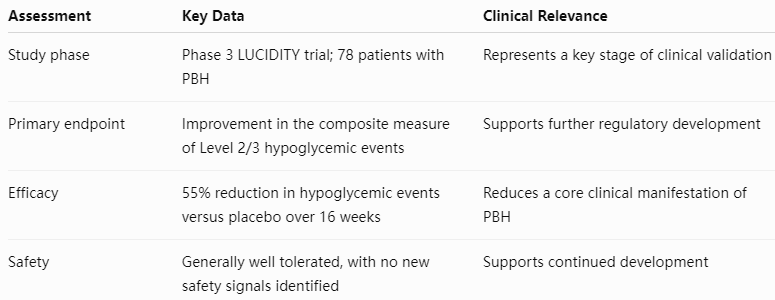
LUCIDITY is a randomized, double-blind, placebo-controlled, multicenter Phase 3 clinical trial evaluating the efficacy and safety of Avexitide in patients with post-bariatric hypoglycemia.
The study enrolled 78 patients with PBH, who entered a 16-week double-blind treatment period followed by an open-label extension period.
According to data released by Amylyx, Avexitide met the study’s primary endpoint.
During the 16-week treatment period, the incidence of Level 2 and Level 3 hypoglycemic events was reduced by 55% in the Avexitide group compared with placebo.
These results provide clinical support for the potential use of GLP-1 receptor antagonism as a therapeutic approach for PBH.
In terms of safety, the company reported that Avexitide was generally well tolerated, with no new safety signals observed.
Table 1: Summary of Efficacy and Safety Data from the LUCIDITY Trial
3. From Mechanistic Validation to Regulatory Development: Positioning of Avexitide
PBH remains a disease area with limited standard pharmacological treatment options. Therefore, the focus of development is less about competing with a large number of established therapies and more about clinically validating a mechanism-based therapeutic approach.
Over the past several years, drug development targeting GLP-1 has focused predominantly on GLP-1 receptor agonists, particularly in diabetes and obesity.
Avexitide takes a different approach: it antagonizes the GLP-1 receptor to modulate excessive GLP-1 signaling.
This mechanistic distinction differentiates Avexitide from the current mainstream GLP-1 therapies.
Table 2: Comparison of GLP-1-Related Therapeutic Approaches
Avexitide has previously received FDA Breakthrough Therapy and Orphan Drug designations.
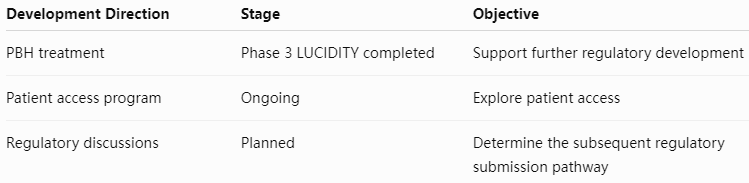
Following the release of the Phase 3 data, the company’s next focus is expected to shift toward regulatory preparation, including further discussions with regulatory authorities.
4. Next Steps: Advancing the Regulatory Pathway and Patient Access
Amylyx stated that it plans to advance subsequent regulatory activities based on the LUCIDITY results.
For a therapy targeting a relatively rare metabolic complication, completion of a Phase 3 study represents an important development milestone, but several issues remain relevant, including regulatory requirements, commercialization strategy, and the accumulation of long-term safety data.
The company is also advancing an Avexitide patient access program, with the aim of exploring access to the therapy for patients with clinical needs.
Table 3: Avexitide Development Pathway
Conclusion
The Phase 3 LUCIDITY results for Avexitide provide clinical validation of a mechanism-based therapeutic approach in PBH.
Going forward, key areas to watch include FDA regulatory interactions, progress toward a potential marketing application, and whether GLP-1 receptor antagonism can establish a viable therapeutic approach in this specific metabolic disease setting.
