

 5 min
5 minAt the 12th International Conference on Children’s Bone Health (ICCBH) held in Montreal, Canada, Alexion, AstraZeneca Rare Disease, presented the latest results from its global Phase 3 clinical program for the next-generation enzyme replacement therapy, efzimfotase alfa (ALXN1850). Data from the studies demonstrate that in treatment-naïve pediatric patients, the therapy not only met its primary endpoints but also yielded positive results across multiple dimensions, including bone health, physical function, quality of life, and safety. These findings suggest that efzimfotase alfa may represent a significant therapeutic advancement in the treatment of hypophosphatasia (HPP).
MULBERRY Trial: Key Bone Health Outcomes
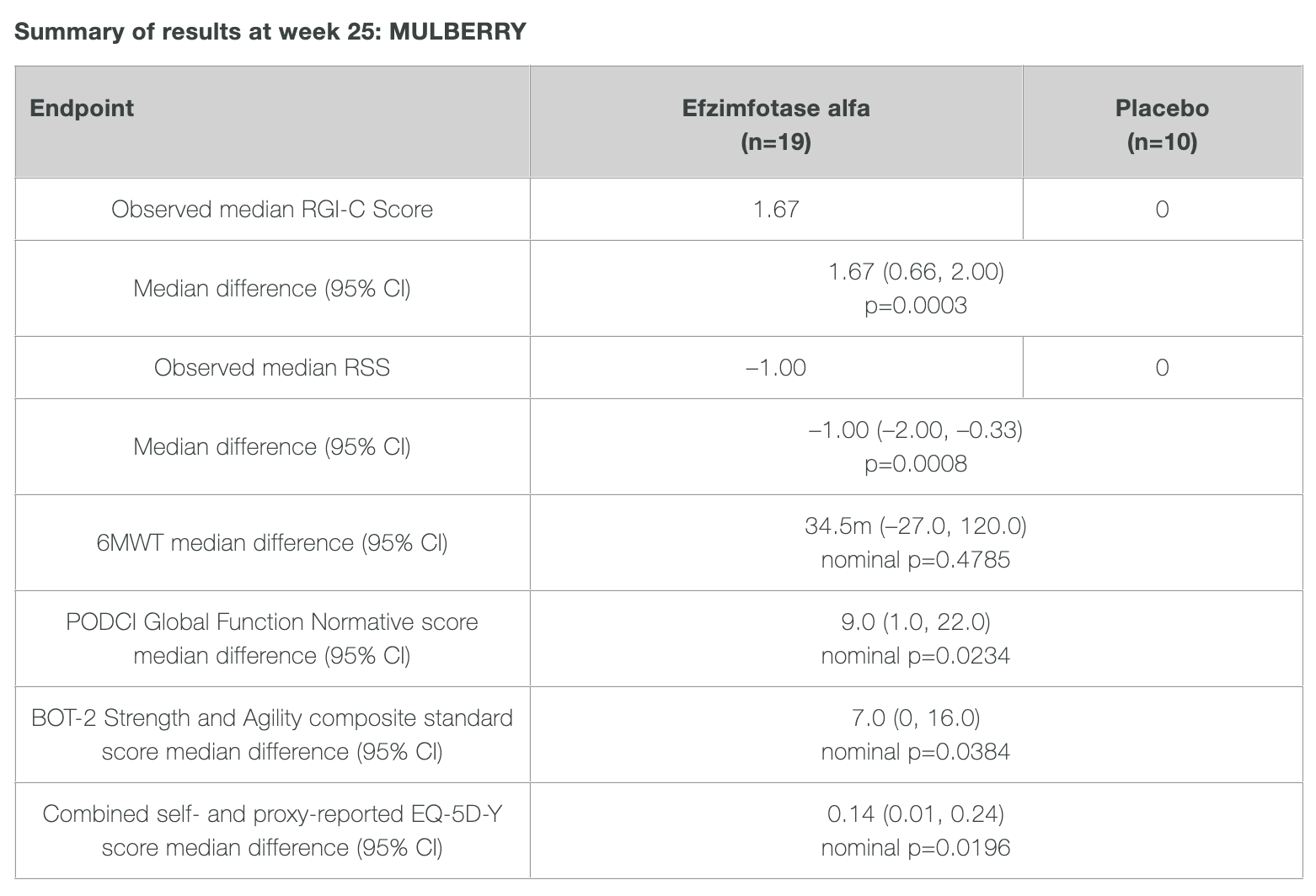
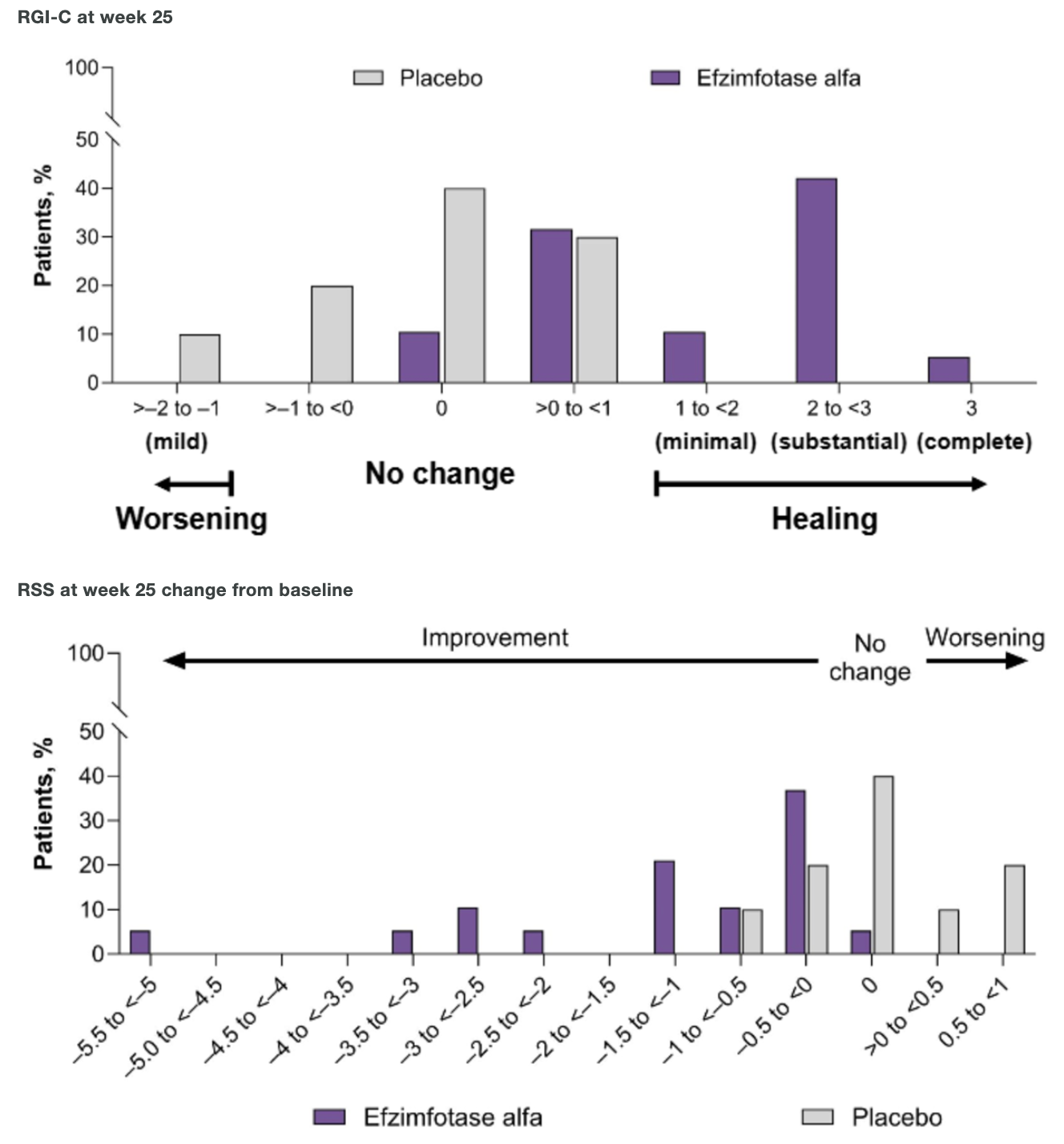
The MULBERRY trial evaluated efzimfotase alfa in pediatric patients (aged 2 to <12 years) with HPP who had not been previously treated with existing therapies (Strensiq). The results show that efzimfotase alfa achieved statistically significant improvements across several key clinical endpoints, providing meaningful enhancements in both radiographic outcomes and physical function.
Favorable Safety and Treatment Advantages
Beyond the MULBERRY study, Alexion’s robust clinical program includes the CHESTNUT trial (evaluating patients switching from Strensiq) and the HICKORY trial (focusing on adolescents and adults).
-
Excellent Safety Profile: Efzimfotase alfa demonstrated strong tolerability. In the CHESTNUT trial, children who switched from Strensiq to efzimfotase alfa showed a treatment-emergent adverse event (TEAE) rate (90.5%) comparable to those who remained on Strensiq (86.4%), with a favorable safety profile across the board.
-
Superior Injection Experience: In a pooled analysis of the MULBERRY and HICKORY trials, the annualized rate of injection site reactions (ISRs) for efzimfotase alfa was five times lower than that reported for Strensiq in its own registrational trials. Data indicate that patients were free of ISRs for 98.8% of the days they were on efzimfotase alfa treatment.
-
Enhanced Convenience: Designed for once-every-two-weeks subcutaneous self-administration, efzimfotase alfa significantly reduces the burden on patients and caregivers compared to existing regimens, offering the potential to improve long-term treatment adherence.
A New Upgrade for HPP Care
Dr. Jill Simmons, Professor of Pediatric Endocrinology at Vanderbilt University and principal investigator for the CHESTNUT trial, noted: "The underlying alkaline phosphatase deficiency in HPP can lead to severe, progressive bone, neurological, and functional symptoms in children, with detrimental impacts on physical and social-emotional well-being during critical stages of development. These positive results—including statistically significant improvements in bone health and meaningful benefits in physical function—represent a clinically important advancement for children living with this lifelong disease."
Gianluca Pirozzi, Senior Vice President and Head of Development, Regulatory and Safety at Alexion, added: "The efzimfotase alfa Phase 3 clinical program represents the largest and most diverse investigation of HPP to date. By addressing the root cause of HPP—alkaline phosphatase deficiency—efzimfotase alfa has the potential to meaningfully improve outcomes through a convenient, patient-friendly option."
As development progresses, efzimfotase alfa offers not only high efficacy and reduced injection-site burden but also the promise of improved quality of life for the HPP community. These results reinforce the critical role of scientific innovation in addressing the unmet needs of patients with rare diseases. With global regulatory progress underway, many HPP families may soon gain access to a more flexible and effective treatment option, helping them restore bone health and confidence.
