

 5 min
5 minOn June 18, 2026, F2G and Shionogi jointly announced positive topline data from the global Phase 3 OASIS study. The results demonstrate that olorofim, an investigational oral antifungal drug, shows clinical efficacy non-inferior to current gold-standard therapies in patients with invasive aspergillosis, while offering significant advantages in safety and convenience of administration.
Clinical Breakthrough: Key Data from the OASIS Study
Invasive aspergillosis is a life-threatening fungal infection primarily affecting immunocompromised patients, such as those undergoing cancer treatment or organ transplantation. For patients who are intolerant to or have infections refractory to conventional azole therapies, clinical options have been severely limited. The OASIS study (NCT05101187) was a global, randomized controlled trial enrolling 225 patients to evaluate the non-inferiority of olorofim versus AmBisome® (liposomal amphotericin B) followed by standard of care (SOC).
The study revealed the significant therapeutic potential of olorofim:
-
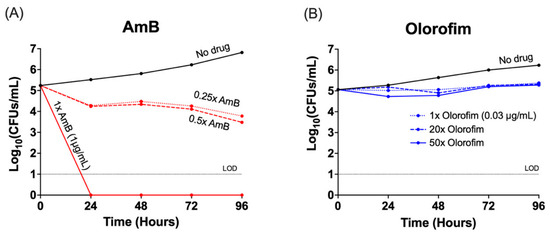
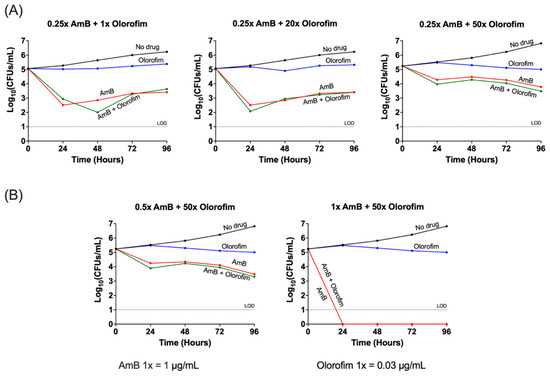
Primary Endpoint Met: The study successfully met its primary endpoint of non-inferiority. The rate of all-cause mortality (ACM) at Day 42 was 23.8% for the olorofim arm, compared to 24.3% for the AmBisome® plus SOC arm. The difference of -0.5% (95% CI: -13.1% to 10.8%) confirms the non-inferior clinical efficacy of olorofim.
-
Superior Safety Profile: Safety was a major highlight of the study. The rate of drug-related treatment-emergent adverse events (TEAEs) was 35.8% for olorofim, significantly lower than the 63.9% observed in the control arm. This difference was primarily driven by a higher incidence of renal toxicity associated with AmBisome®, which is a critical limiting factor in clinical practice for treatment selection and continuation.
Technical Innovation: The Unique Mechanism of Olorofim
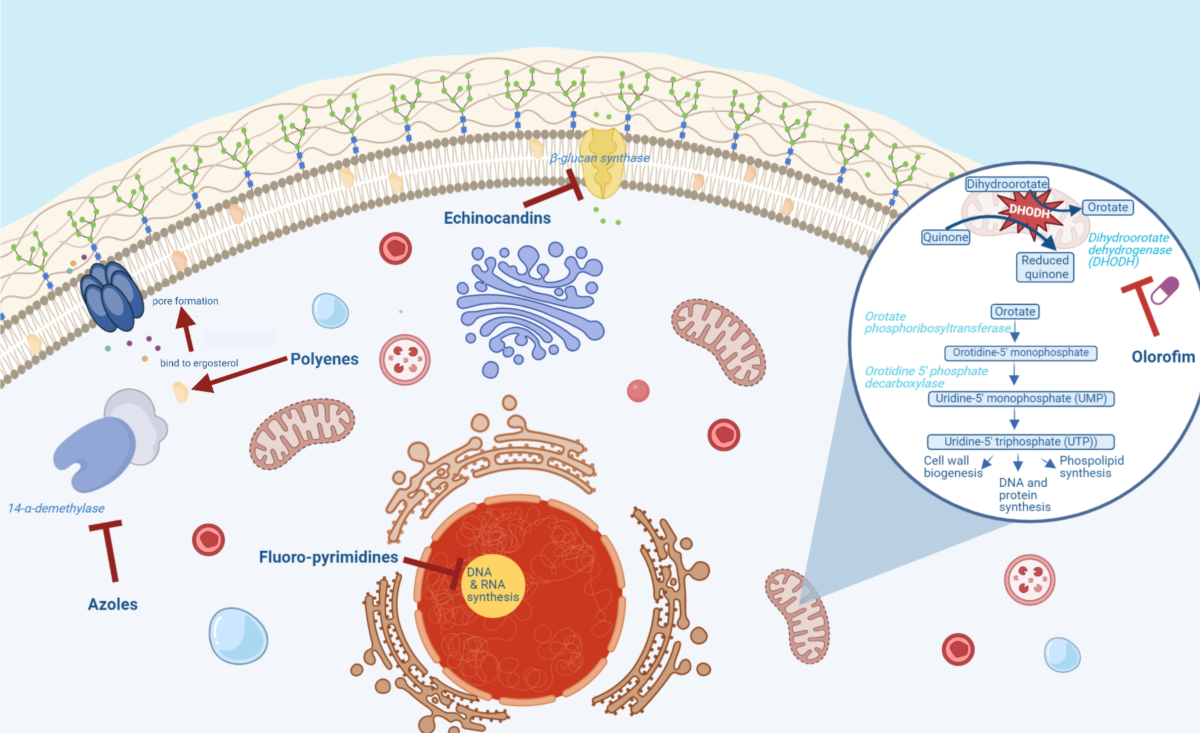
Currently, the most common antifungal medications are azoles, which inhibit the enzyme lanosterol demethylase. However, the widespread use of azoles in agriculture has led to an increasing prevalence of resistant Aspergillus strains in the environment.
Olorofim belongs to a novel class of drugs called orotomides and utilizes a distinct mechanism of action: it selectively inhibits dihydroorotate dehydrogenase, thereby blocking the pyrimidine biosynthesis pathway essential for fungal growth. This unique mechanism allows it to be effective against a broad range of Aspergillus species, including those resistant to existing agents. Furthermore, as an oral medication, it offers superior adherence and flexibility compared to AmBisome®, which requires slow intravenous infusion.
Expert Commentary and Commercial Outlook
Dr. Johan Maertens, Professor of Hematology at University Hospitals Leuven, Belgium, and the study’s principal investigator, stated: "The OASIS topline results reinforce the therapeutic potential of olorofim. For patients facing life-threatening infections with limited options, olorofim represents a powerful and much-needed alternative for clinicians."
Dr. John Keller, Senior Vice President of R&D at Shionogi, added: "It has been over 20 years since we have seen a new mechanism of action in the antifungal space. Olorofim not only addresses the critical medical need for managing resistant infections but also simplifies clinical management through its oral formulation, opening a new chapter in the treatment of complex fungal diseases."
Strategic Partnership and Regulatory Path
The collaboration between F2G and Shionogi integrates technical development expertise with a global commercial footprint: F2G retains commercial responsibility for olorofim in North America and non-Shionogi territories, while Shionogi handles markets in Europe and Asia.
The development of olorofim has seen its share of challenges, including a Complete Response Letter (CRL) from the FDA in 2023. However, the success of the Phase 3 OASIS study serves as both a major scientific endorsement and a key victory for F2G after significant capital investment and rigorous late-stage development. The partners plan to present the full pivotal results at future medical congresses and intend to submit marketing authorization applications to regulatory authorities in the U.S., Europe, and Asia in the near term.
If approved, olorofim will be the first agent with a novel mechanism for invasive aspergillosis in over two decades. It not only offers a lifeline to patients with resistant infections but also promises to shift the paradigm of antifungal care from primarily intravenous hospital-based treatments to a more precise, oral, and better-tolerated therapeutic era.
