

 5 min
5 minAs a global life sciences giant with more than 160 years of history, Bayer’s vision is “Health for all, hunger for none.” In the face of the traditional challenges of long-term and high-input in the fields of medicine and agriculture, artificial intelligence (AI) is becoming a "super engine" for breaking through its core bottlenecks.
In order to ensure the absolute truth of the facts and strict prevention of illusion, this article comprehensively inventory and cross-verify the real AI landing cases disclosed by Bayer's official financial reports, authoritative industry media and technical partners.
Scenario 1: Drug development: AI excavates 6 million compound molecules and quantum chemical calculations
-
Operational pain points:
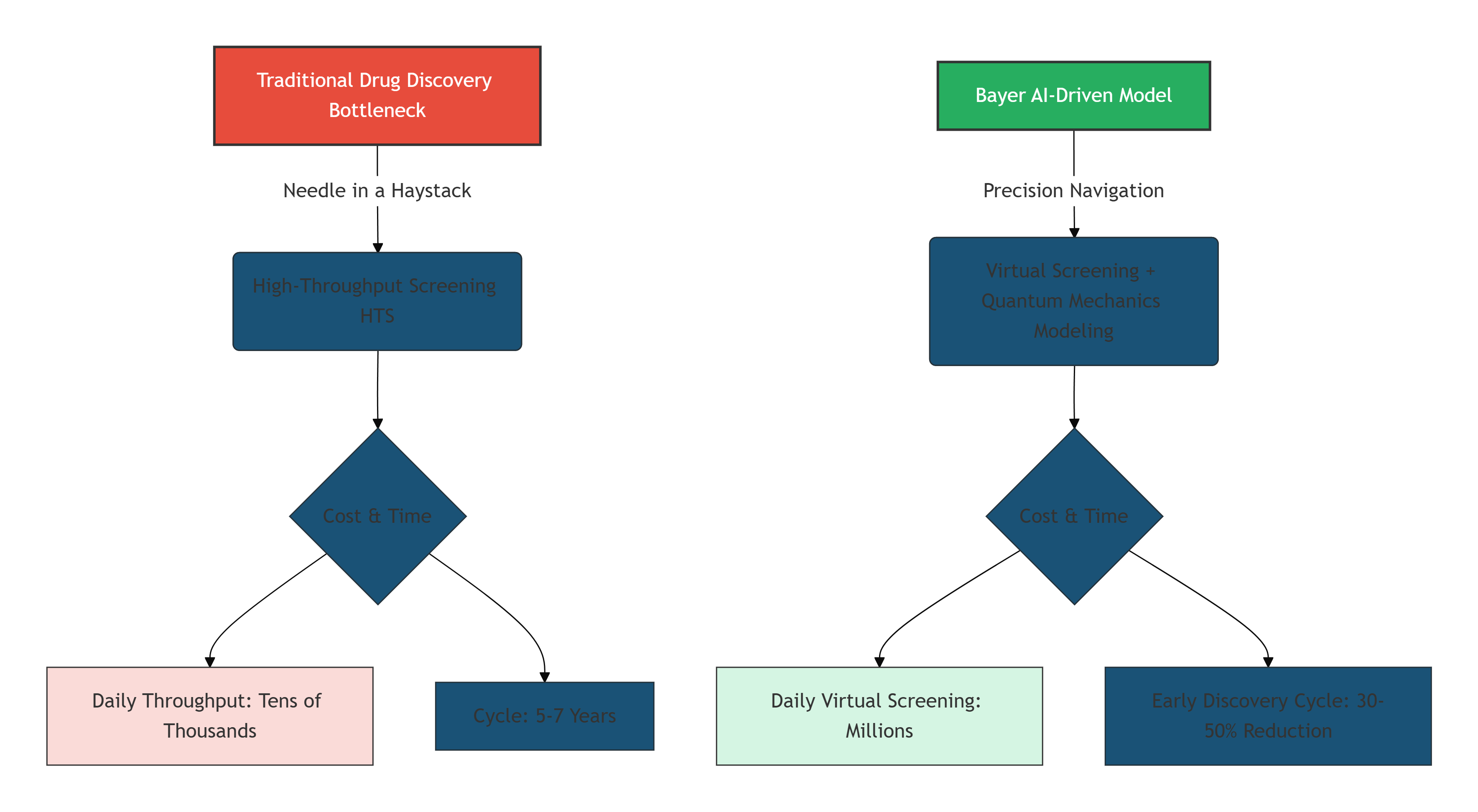
The discovery of a safe and effective new compound molecule is like a "needle in a haystack", with a long traditional research and development cycle, a large candidate and extremely expensive screening costs.
- AI and technical solutions:
-
Bayer has a large pool of proprietary compounds containing approximately 6 million compounds. The company uses machine learning and artificial intelligence to mine this unique data set to quickly make in-silico drug discovery in a computerized virtual environment by matching protein structures and candidate molecules. -
In addition, Bayer has worked in depth with Google Cloud to use its custom-developed tensor processing unit (TPU) to run high-performance computing (HPC) on a large scale, accelerating and expanding the full quantum mechanical modeling of protein-ligand interactions, and significantly increasing the speed of computer-aided drug design.
Real provenance and data: "Delivering on the promise of artificial intelligence" and Bayer China official press release
Efficiency scale comparison
The following figure visualizes the magnitude differences between the two modes in the flux, cost, and time dimensions:
True Origins and Data: The Guardian on the Promise of Artificial Intelligence and the official press release of Bayer China
Scenario 2: Clinical trial data automation - ALYCE platform to speed up compliance analysis
- Operational pain points:
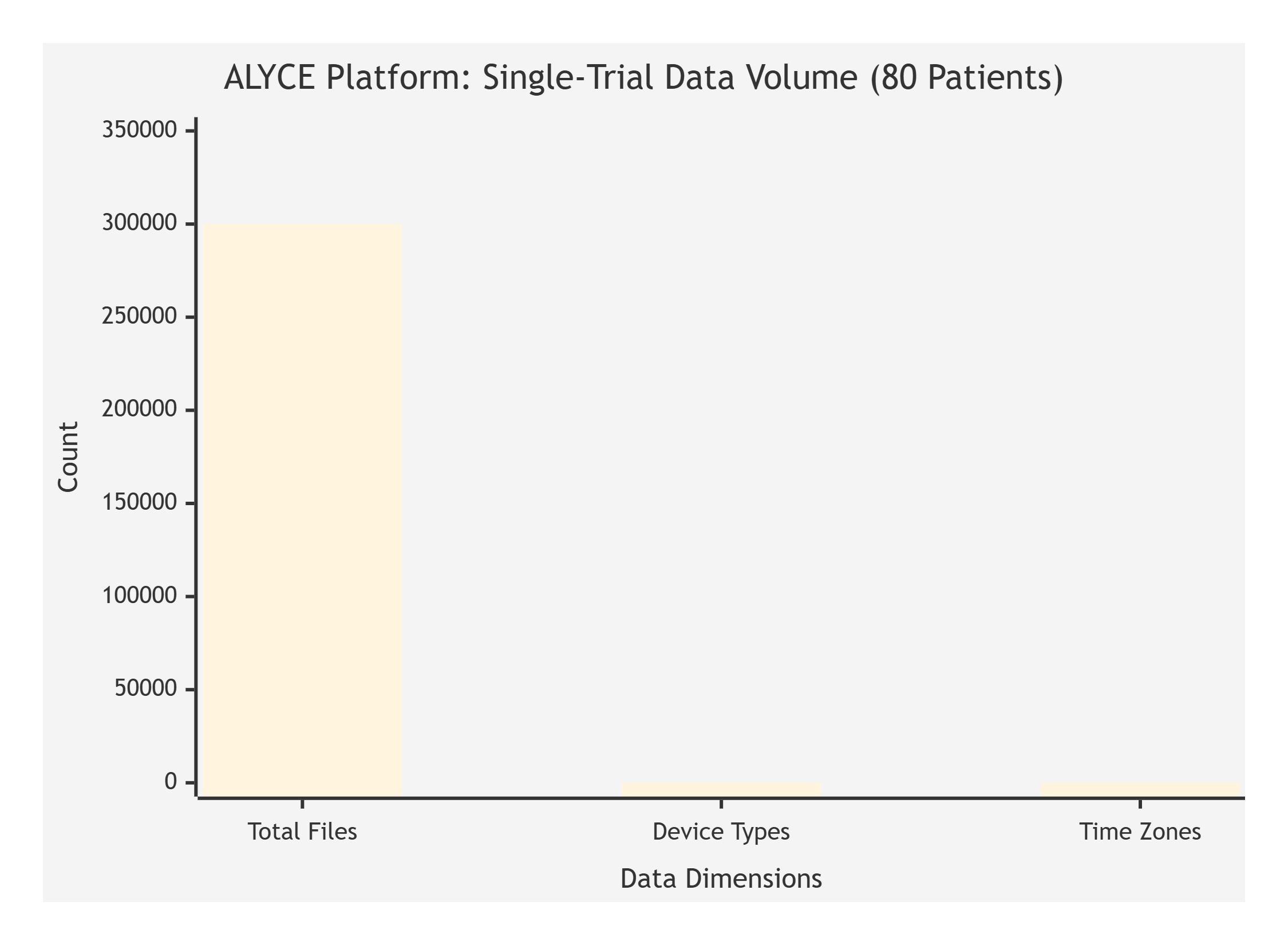
Clinical trials are the most time-consuming aspect of new drug development, involving heterogeneous, massive and complex equipment and patient data, and the processing process is cumbersome and prone to compliance or time zone alignment errors. - AI and Technology Solutions: Bayer developed ALYCE (Advanced Analytics Platform for the Clinical Data Environment). The platform uses automated pipelines, machine learning, and advanced analytics tools to perform time zone harmonization, device ID mapping, and automatic error correction on extremely complex clinical trial data, such as nearly 300,000 files with about 80 patients in a single trial, and up to 1.6 terabytes of data.
- Core Values: The platform automates complex workflows that would have taken years to manually organize, while ensuring full compliance with industry regulatory compliance, accelerating the transformation of drugs from research and development to clinical trials.
Real provenance and data: Phuseal (Pharmaceutical Users Software Exchange) conference Bayer engineer presentation report and authoritative technology media Emerj case study "Artificial Intelligence at Bayer"
Data Stress Testing
The figure below shows the huge data heterogeneity of the ALYCE platform processing, using the data volume of 80 patients in a single trial as an example:
Real provenance and data: Phuseal (Pharmaceutical Users Software Exchange) conference Bayer engineer presentation report and authoritative technology media Emerj case study "Artificial Intelligence at Bayer"
Scene 3: Radiology: Launching the Calantic® Platform with Blackford and Google Cloud
-
Business pain points: With the explosive growth of medical imaging data, radiologists face a severe burden of reading, which is very easy to produce burnout and lead to missed diagnosis.
-
Operational pain points:
With the explosion of medical image data, radiologists face a severe burden of reading, which is very easy to cause burnout and lead to missed diagnoses.
-
AI and Architecture Solutions:
-
Bayer launched CalanticCalantic® Digital Solutions in 2022 through the acquisition of imaging AI platform Blackford Analysis, and announced a deepening collaboration with Google Cloud in 2024. -
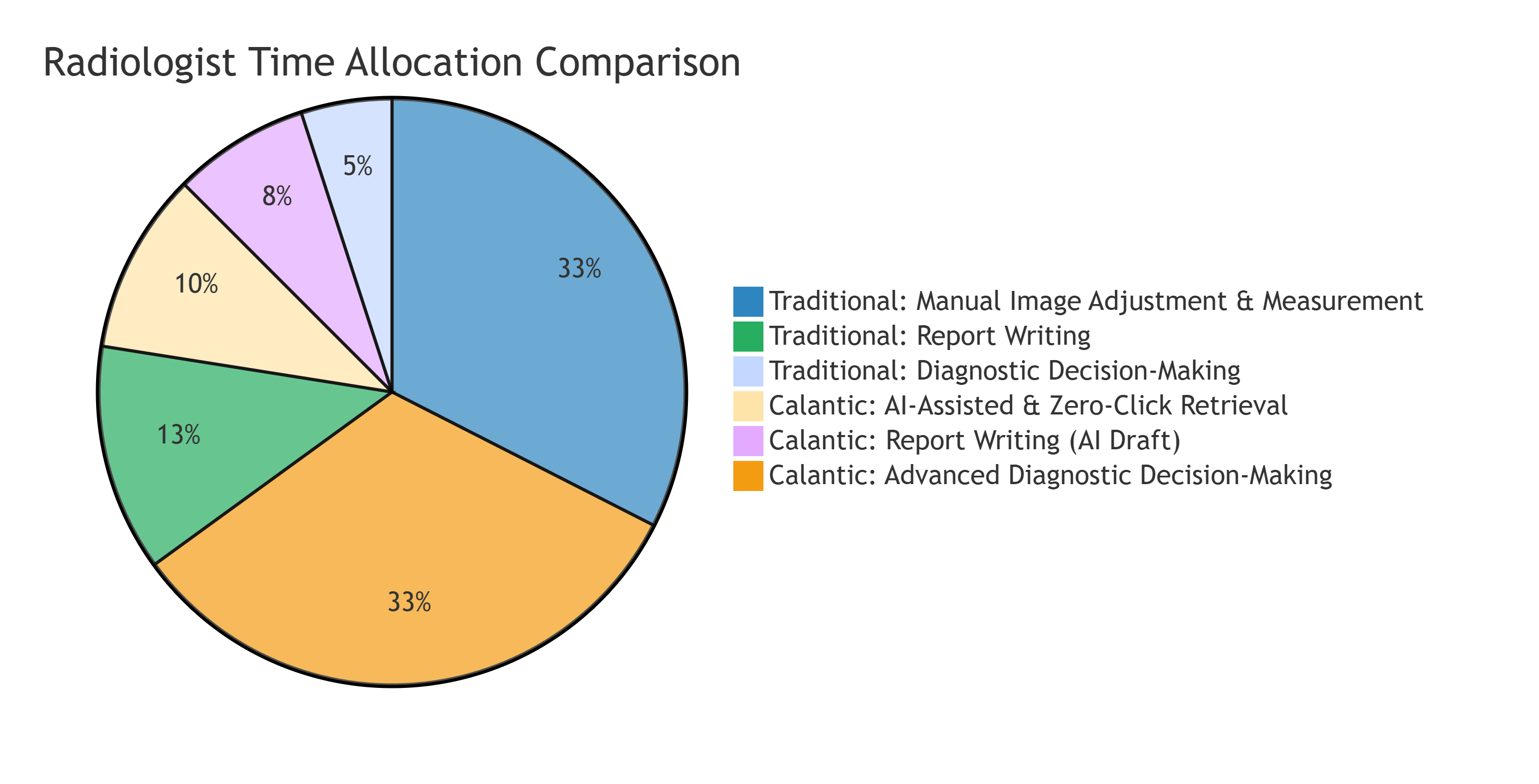
The platform uses a cloud-native architecture to modularly orchestrate AI applications by body parts and clinical pathways: focusing on the nervous system (acute stroke, intracranial hemorrhage triage), chest respiratory system (pulmonary nodule detection) and oncology specialist imaging. - Seamless workflow: The system adopts the DICOM underlying protocol and a single gateway design, and the AI silently runs in the background, automatically presents the results in the PACS system, and realizes the "zero-click" fusion.
Bayer and Google Cloud to accelerate development of AI-powered healthcare applications for radiologists and Bayer’s medical imaging: Reducing the burden on radiologists
Doctor's Time Allocation Reconstruction
The following figure compares the time allocation of radiologists compared to traditional models and radiologists in the Calantic mode:
Bayer and Google Cloud to Accelerate Development of AI-powered Healthcare Applications for Radiologists and Medical Imaging: Reducing the Behose on Radiologists
Scenario 4: Smart agriculture – using “digital twins” to shorten the breeding cycle to 4 months
- Operational pain points:
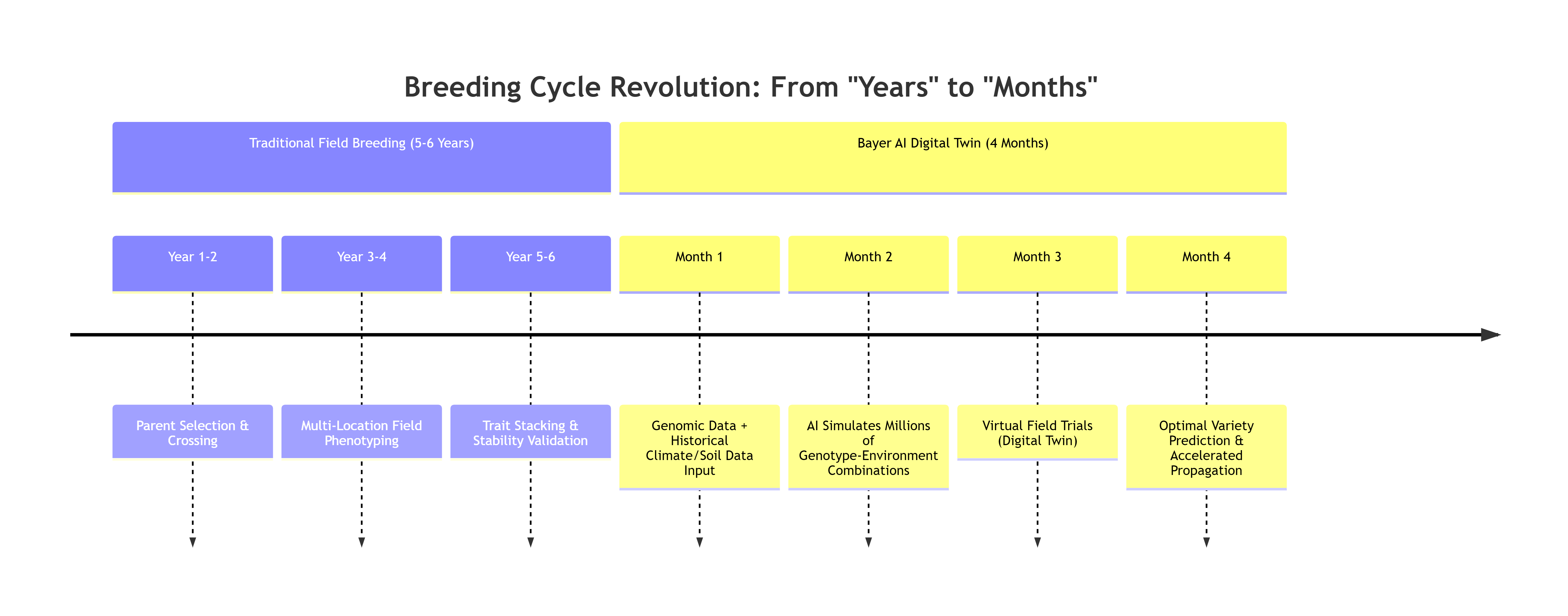
Climate change and crop pests and diseases threaten global food security, and traditional breeding relies on years of field trials for a period of five to six years. - AI and technical solutions:
Bayer Crop Science uses artificial intelligence to analyze massive genomic data and millions of acres of field measurements across the U.S. and millions of acres of field measurements across the U.S. to build a vast “Digital Twin” test network. - The eye effect:
This AI-driven model dramatically reduces the breeding cycle, which would have taken 5-6 years, slashes overall product development time by up to two years, and is expected to double the gene gain rate by 2030. At the same time, Bayer is also working with companies such as Fermata to apply CroptimusCroptimusTM computer vision pest detection systems in greenhouse and desert agriculture to achieve pesticide refinement and reduction.
Case Study: How Bayer is Revolutionizing Farming with Artificial Intelligence
The Breeding Cycle Revolution
The milestone comparison below clearly shows the huge leaps in time dimensions between traditional patterns and digital twins:
Case Study: How Bayer is Revolutionizing Farming with Artificial Intelligence
Scenario 5: Internal Operations and Organizational Change – DSO Go Intelligent AI Agent
- Industry background:
In the complex organizational change period of multinational enterprises, employees often face a large number of internal change policies and business guidelines, and cross-departmental communication costs are high. - AI and Application Solutions:
Bayer Communications Team, a joint technology service provider, developed the DSO Go Intelligent AI Agent (Digital Assistant) based on the Cognigy.AI platform and generative AI technology. - Eyed data:
-
The project takes only 4 months from project inception to deployment. -
It supports natural dialogue in 9 languages. -
In the first two months of its launch, it attracted 19,000 unique users to completely reshape the efficiency of internal digital communication and organizational change management by providing instant, humanized intelligent solutions.
Bayer's AI Agent Sets New Standards in Employee Guidance
User adoption curve
The following figure shows the cumulative independent user growth in the first two months after the launch of DSO Go:
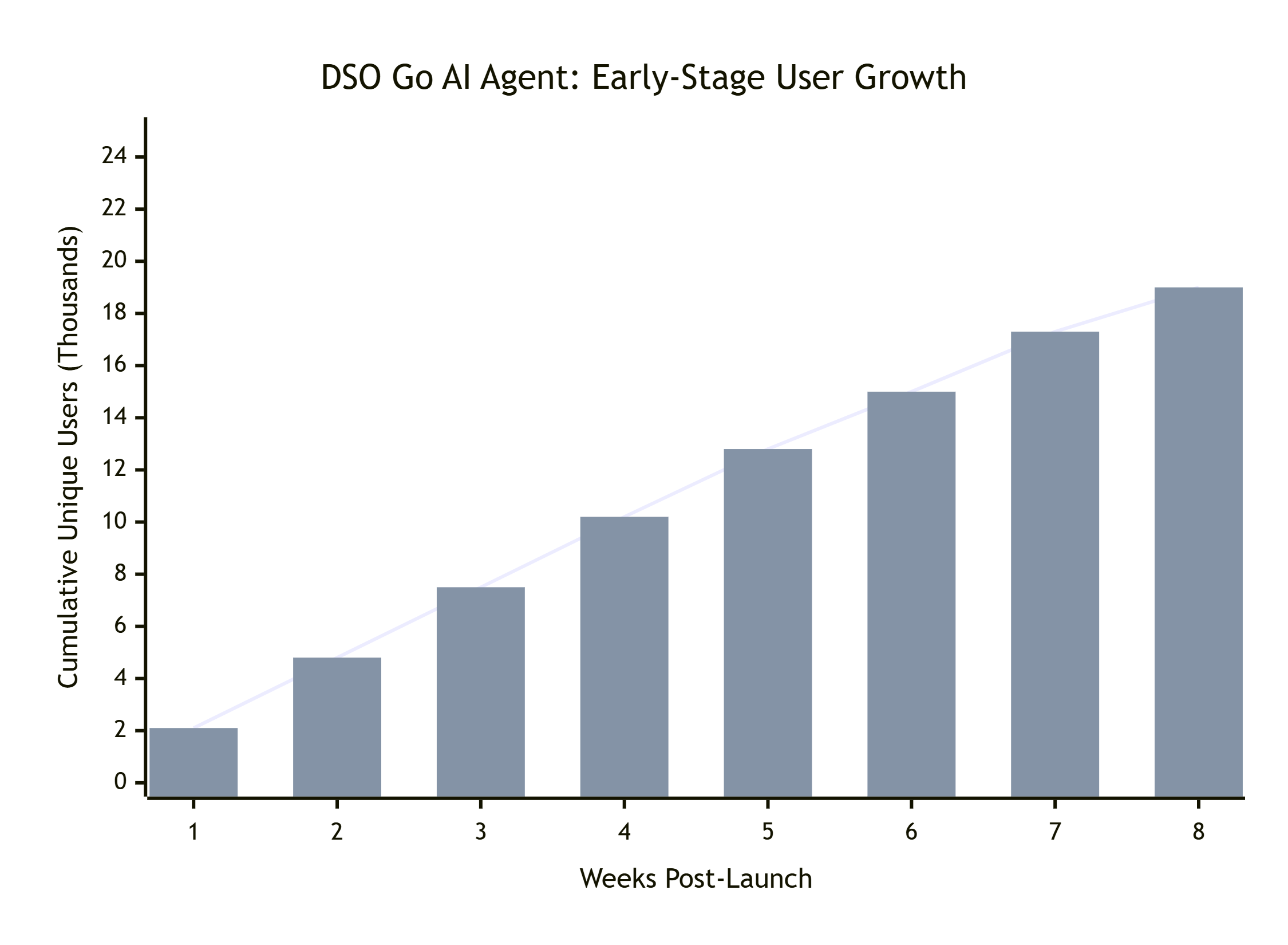
Bayer's AI Agent Sets New Standards in Employee Guidance
The Irreversible “Super Engine”
From virtual molecular screening in the compound library to automated processing of clinical data; from radiologists’ Calantic imaging assistant to the four-month breeding miracle of agricultural digital twins to DSO Go, which empowers more than 10,000 employees internally. Through solid underlying data and a rigorous technology partner ecosystem, Bayer has proven the industry-wide value of AI hard-core in the life sciences.
