

 5 min
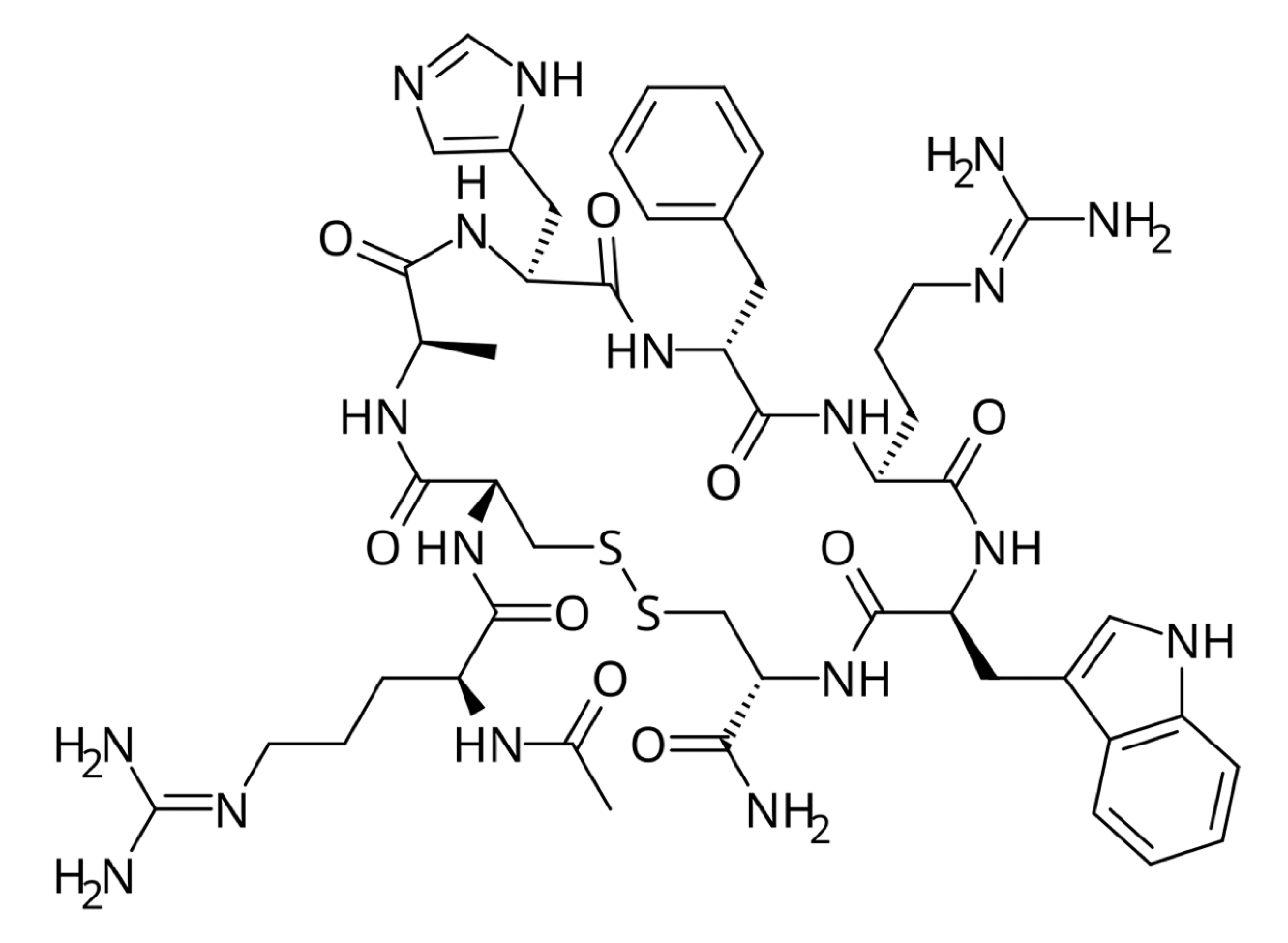
5 minAt the Endocrine Society’s Annual Meeting (ENDO 2026) held recently in Chicago, Rhythm Pharmaceuticals, a biopharmaceutical company focused on rare neuroendocrine diseases, presented a series of high-impact clinical data. The findings highlight the significant potential of its core MC4R agonist portfolio in treating acquired hypothalamic obesity (HO), Bardet-Biedl syndrome (BBS), and Prader-Willi syndrome (PWS). These data not only reinforce the pivotal role of targeting the MC4R pathway in managing hyperphagia and regulating body weight but also offer new hope to patients suffering from rare conditions that have long lacked effective treatment options.
Acquired Hypothalamic Obesity (HO): Long-term Efficacy and Precision Intervention
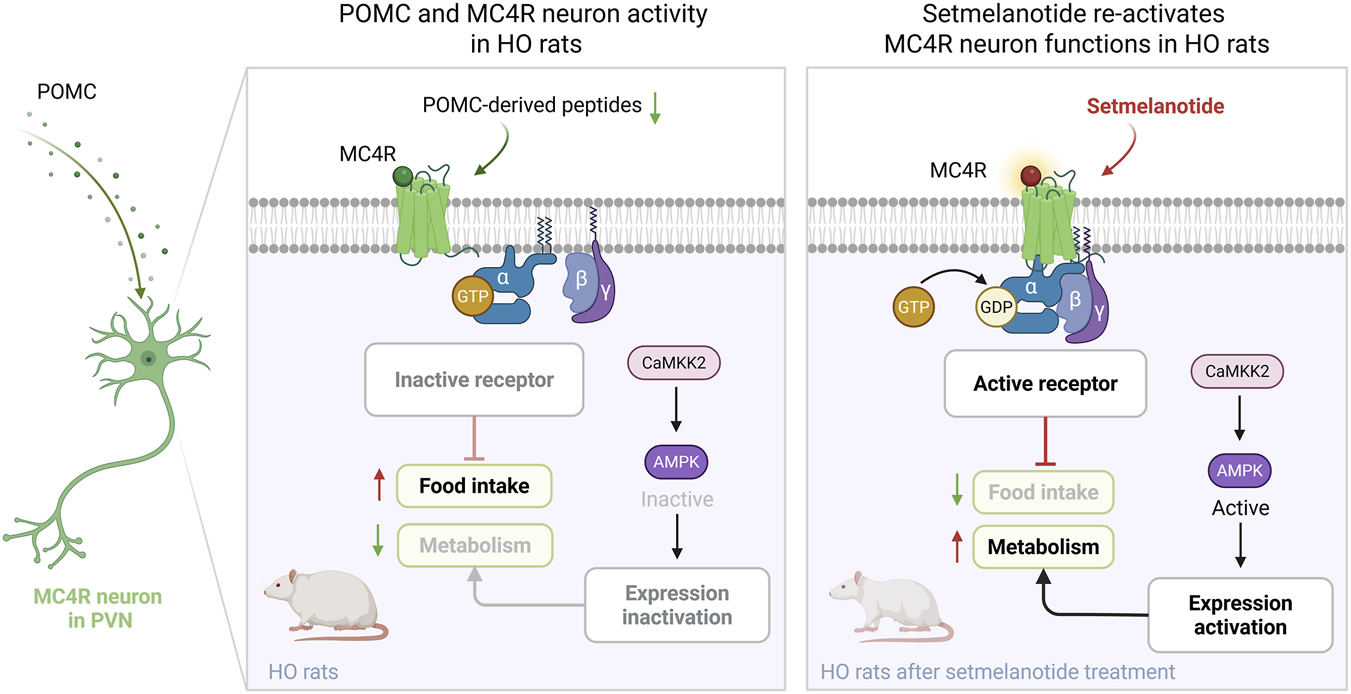
Due to the complex neuroendocrine damage underlying acquired HO, the condition is notoriously difficult to treat. At ENDO 2026, Rhythm showcased the sustained therapeutic potential of setmelanotide:
-
Robust, Long-term Weight Loss: In a Phase 2 trial and its long-term extension study spanning up to 2.5 years, setmelanotide demonstrated durable and consistent weight loss. Data showed that all participants (n=11) achieved a mean BMI reduction of 18.9%, with a mean change in BMI z-score of -1.60, validating the long-term stability of this therapy for HO.
-
Redefining Weight Categories: In a Phase 3 trial, setmelanotide showed significant advantages in improving patient "weight categories" after one year. Approximately 71% of pediatric patients (n=45) and 71.4% of adult patients (n=28) achieved an improvement of at least one weight category, while 44.4% of pediatric patients and 50% of adults achieved improvements of two or more categories—outcomes not seen in any patients within the placebo groups.
-
Breakthrough for Post-Bariatric Surgery Patients: Setmelanotide also showed significant efficacy in HO patients who remained obese despite prior bariatric interventions (such as gastric sleeve or gastric bypass). After one year of treatment, these patients achieved BMI reductions ranging from -9.6% to -37.9%, whereas the placebo-treated patient saw a 4.8% increase in BMI.
Furthermore, the oral MC4R agonist bivamelagon delivered impressive results in HO patients. In a one-year Phase 2 study (n=26), bivamelagon achieved progressive reductions in BMI across all treatment cohorts. Notably, the cohort initially receiving the 600 mg dose achieved a mean BMI reduction of 16.6%.
Bardet-Biedl Syndrome (BBS): Clinical Benefits in the Real World
Beyond controlled clinical trials, Rhythm shared real-world evidence (RWE) for setmelanotide in BBS patients, providing broader validation for its clinical utility:
-
Significant Fat Loss: A retrospective analysis of 286 U.S. patients revealed that after 12 months of setmelanotide treatment, 62% of adults achieved ≥10% body weight loss. The mean body weight reduction was 9.8% for adults and 7.8% across the entire patient population.
-
Reduced Healthcare Burden: Real-world data confirmed that setmelanotide significantly decreased the frequency of obesity-related outpatient visits (rate difference: 1.03; p<0.05), effectively alleviating the burden on both patients and healthcare resources.
-
Alleviating Hyperphagia: Interim analysis from the RESTORE study showed that patients experienced rapid and sustained reductions in hyperphagia symptoms/behaviors within just one month of starting therapy. After six months, 93% of participants reported no instances of "waking up at night from hunger" or "eating dropped/discarded food," and participants reported a 25% decrease in the use of other anti-obesity medications.
Transforming Science into Life-Changing Outcomes
"MC4R agonists have demonstrated profound potential in addressing hyperphagia and improving weight-related outcomes," said David Meeker, M.D., Chairman, CEO, and President of Rhythm Pharmaceuticals. "Whether it is HO, BBS, or PWS, these are severe, chronic diseases. Our goal is to translate this science into treatments that patients truly need."
Rhythm’s R&D pipeline is evolving from single-asset development toward a multi-disease precision medicine platform. As setmelanotide's performance continues to be optimized across various age groups and etiologies, the therapy is increasingly transitioning from clinical trials into broad clinical practice.
Summary of Key Data:
Evaluation Metric Key Data Point (Select) HO Patients (Setmelanotide) 2.5-year mean BMI reduction: -18.9% HO Patients (Bivamelagon) 1-year BMI reduction (up to): -16.6% BBS Patients (Real-World) 1-year: 62% of adults lost ≥10% weight PWS Patients 6-month data shows positive clinical benefit
These results not only showcase the dominance of MC4R agonists in treating rare obesity but also signify the maturation of precision medicine for rare hereditary and acquired endocrine disorders. For the families burdened by these conditions, this precise pharmacological intervention offers more than just weight loss—it provides a fundamental improvement in quality of life and restoration of social function.
