

 5 min
5 minOn June 10, 2026, French pharmaceutical giant Sanofi announced that it would discontinue the Phase 3 MOBILIZE clinical study of its key investigational drug, riliprubart (SAR445088/BIVV020), for the treatment of chronic inflammatory demyelinating polyneuropathy (CIDP).
This decision follows an interim analysis by an independent data monitoring committee (IDMC), which determined that the MOBILIZE study was "highly unlikely to meet its intended efficacy endpoints." This announcement marks a significant setback for the program in a specific patient population and adds further complexity to Sanofi’s closely watched R&D pipeline.
Clinical Challenges in Refractory CIDP: Why MOBILIZE Failed
CIDP is a rare autoimmune neurological condition characterized by the immune system attacking the myelin sheaths surrounding peripheral nerves. While standard treatments like intravenous immunoglobulin (IVIg) exist, their limitations are substantial: data indicate that approximately 30% of CIDP patients do not respond to standard therapy. Among those who do respond, about 70% experience incomplete remission, and fewer than one-third of patients are able to remain in remission without continued, indefinite therapy.
Sanofi had high hopes for riliprubart to address these gaps. As an IgG4 humanized monoclonal antibody targeting C1s in the classical complement pathway, riliprubart was designed to inhibit the key inflammatory mechanisms driving demyelination and axonal damage. The drug candidate had previously shown great promise in Phase 2 trials, where 87% of subjects maintained stability or improved after switching to the treatment, setting high expectations for the Phase 3 program.
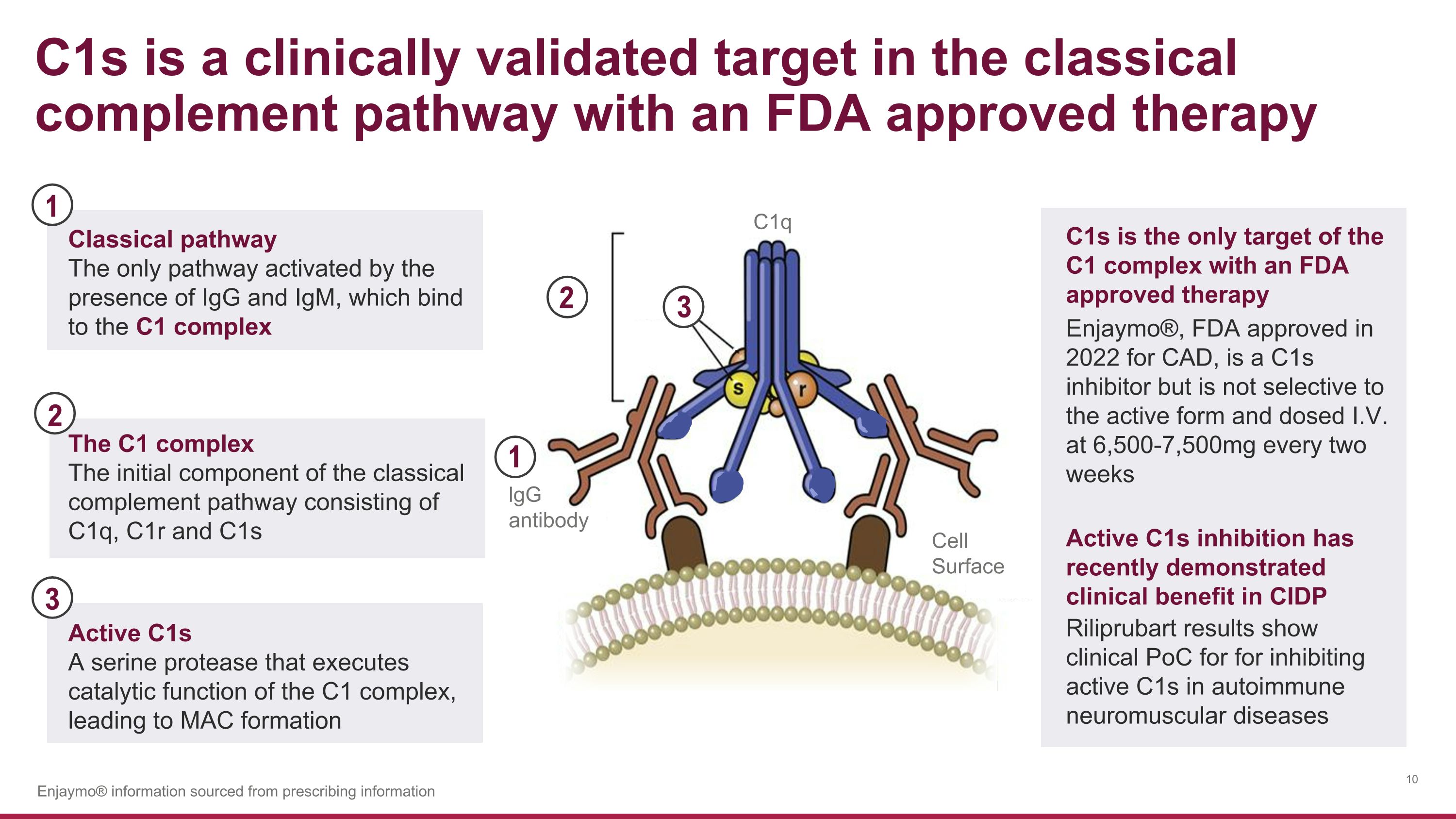
However, once the drug reached Phase 3, clinical outcomes failed to align with early projections. The MOBILIZE study originally aimed to enroll approximately 140 patients who had failed immunoglobulin or corticosteroid therapy, comparing the drug against placebo in a 24-week head-to-head trial. Ultimately, the unfavorable interim analysis led Sanofi to decide on an immediate discontinuation to mitigate further development risks.
R&D Pipeline Volatility and Future Strategic Considerations
Sanofi emphasized that the termination of the MOBILIZE study will not incur significant financial costs and will not change the company’s 2026 financial guidance. The company is currently working closely with clinical site teams to ensure appropriate transitions of care for enrolled patients and will conduct a thorough analysis of the MOBILIZE data to refine its future research directions.
The future of VITALIZE, another Phase 3 trial evaluating riliprubart in patients currently receiving stable maintenance IVIg therapy, is now under reassessment. Sanofi stated it will consider the findings from MOBILIZE before deciding whether to proceed with this second study.
For Sanofi, this is the latest in a string of R&D hurdles in the autoimmune and inflammatory space, which have included:
-
Amlitelimab (anti-OX40L antibody): Failed to meet expectations in a Phase 2 asthma trial.
-
Balinatunfib (oral TNF inhibitor): Suffered a setback in a mid-stage psoriasis study.
-
Itepekimab (an IL-33 program partnered with Regeneron): Encountered failure in one of its pair of Phase 3 studies for chronic obstructive pulmonary disease (COPD).
Competitive Landscape: The "Butterfly Effect" in Complement Inhibition
Sanofi’s loss of momentum in the CIDP space is shifting the competitive landscape. Previously, market analysts had projected that riliprubart could generate annual sales of approximately €480 million ($555 million) by 2033.
With Sanofi’s progress stalled, competitors may see a shift in market share. Currently, Argenx’s FcRn inhibitor, Vyvgart Hytrulo, is already FDA-approved for CIDP. Meanwhile, the Phase 3 development of claseprubart, a C1 inhibitor from Dianthus Therapeutics, is being closely watched. Dianthus has previously argued that while Sanofi’s Phase 2 data validated the potential of C1 inhibitors in CIDP, clinical differentiation will ultimately be determined by superior efficacy profiles.
While the failure of riliprubart in refractory CIDP is a stern test for Sanofi, the nature of pharmaceutical R&D inherently involves iterative trial and error. As the company continues to chase "scientific miracles," its ability to extract deeper insights into the complement pathway and the broader autoimmune system from these setbacks will be its most important lesson moving forward.
