

Insights on pharma trends and real-world AI applications in life sciences
Moderna and Merck announced that the Phase III INTerpath-001 study of the individualized neoantigen mRNA therapy Intismeran Autogene (formerly mRNA-4157/V940) in combination with Keytruda for adjuvant treatment of patients with high-risk resected melanoma met its primary endpoints of recurrence-free survival (RFS) and distant metastasis-free survival (DMFS). The study was advanced based on the results of the prior KEYNOTE-942/mRNA-4157-P201 study, providing clinical rationale for further development of individualized neoantigen mRNA therapy in combination with PD-1 inhibitors in the adjuvant setting. Future market focus will center on the release of complete Phase III data, regulatory progress, and the expansion of this technology platform into other solid tumors.
Regeneron announced topline results from its Phase III clinical trial evaluating the LAG-3 inhibitor fianlimab in combination with the PD-1 inhibitor cemiplimab for the first-line treatment of unresectable locally advanced or metastatic melanoma.
On May 7th, U.S. biotech company Entrada Therapeutics announced positive top-line data from an early-stage clinical trial for ENTR-601-44, its investigational drug for the treatment of Duchenne Muscular Dystrophy (DMD).
On May 5, BrightGene Bio-Medical (BrightGene) disclosed the Phase III clinical trial data for its self-developed GLP-1R/GIPR dual agonist, BGM0504 (Study: BGM0504-III-WL). The trial successfully met its primary and secondary endpoints.
At the recently held Digestive Disease Week (DDW) 2026 (May 2–5), Johnson & Johnson (J&J) unveiled the latest data for JNJ-4804, a fixed-dose co-antibody targeting IL-23 and TNF-α. In Phase 2b clinical trials for refractory inflammatory bowel disease (IBD), the drug demonstrated efficacy surpassing single-target therapies. J&J is now set to advance the program into Phase 3, potentially offering a breakthrough solution for highly refractory patients who have failed existing treatments.
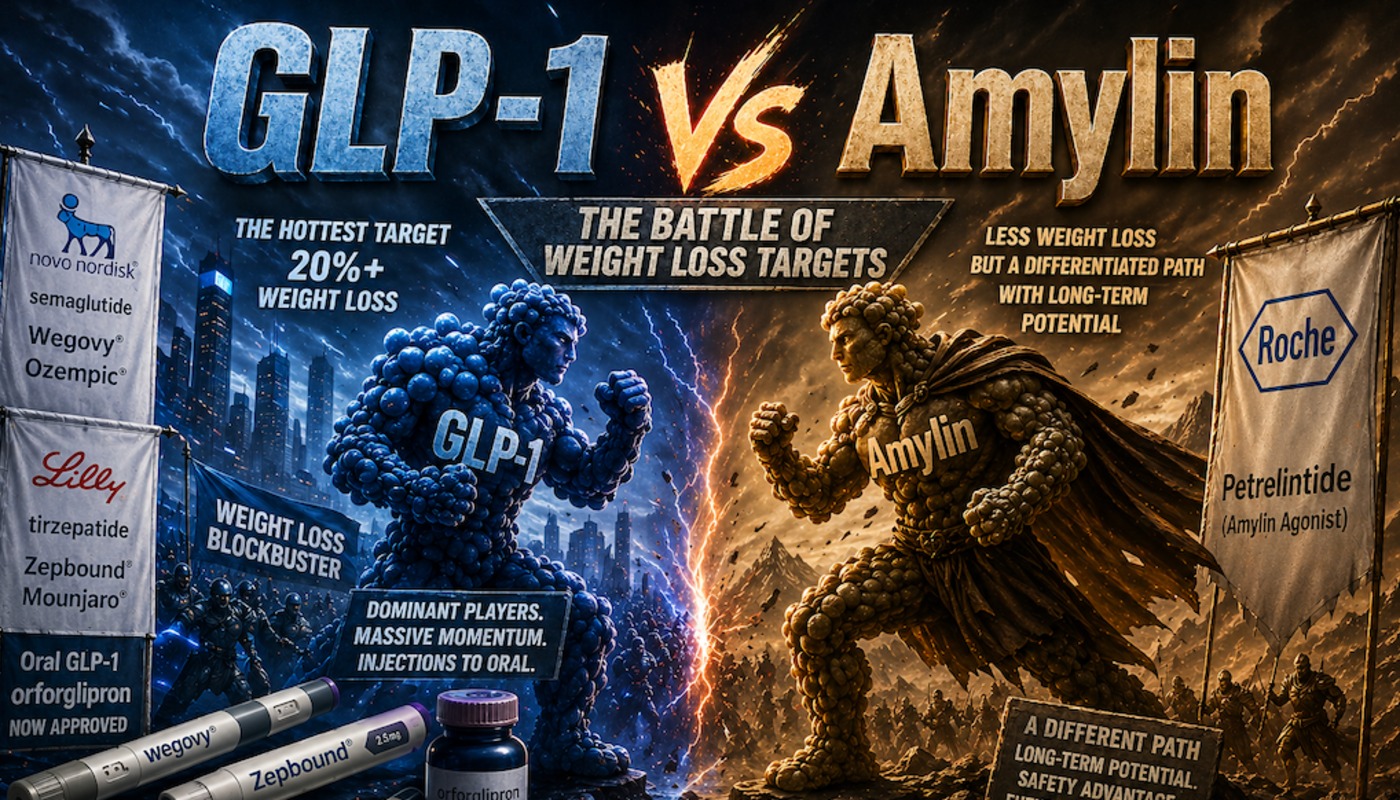
Roche is positioning its Amylin analog, Petrelintide, as a high-tolerability alternative in the competitive weight-loss market. While its 10.7% efficacy trails GLP-1 heavyweights, its "placebo-like" safety profile—featuring zero vomiting and ultra-low discontinuation rates—offers a strategic advantage for long-term maintenance and combination therapies.
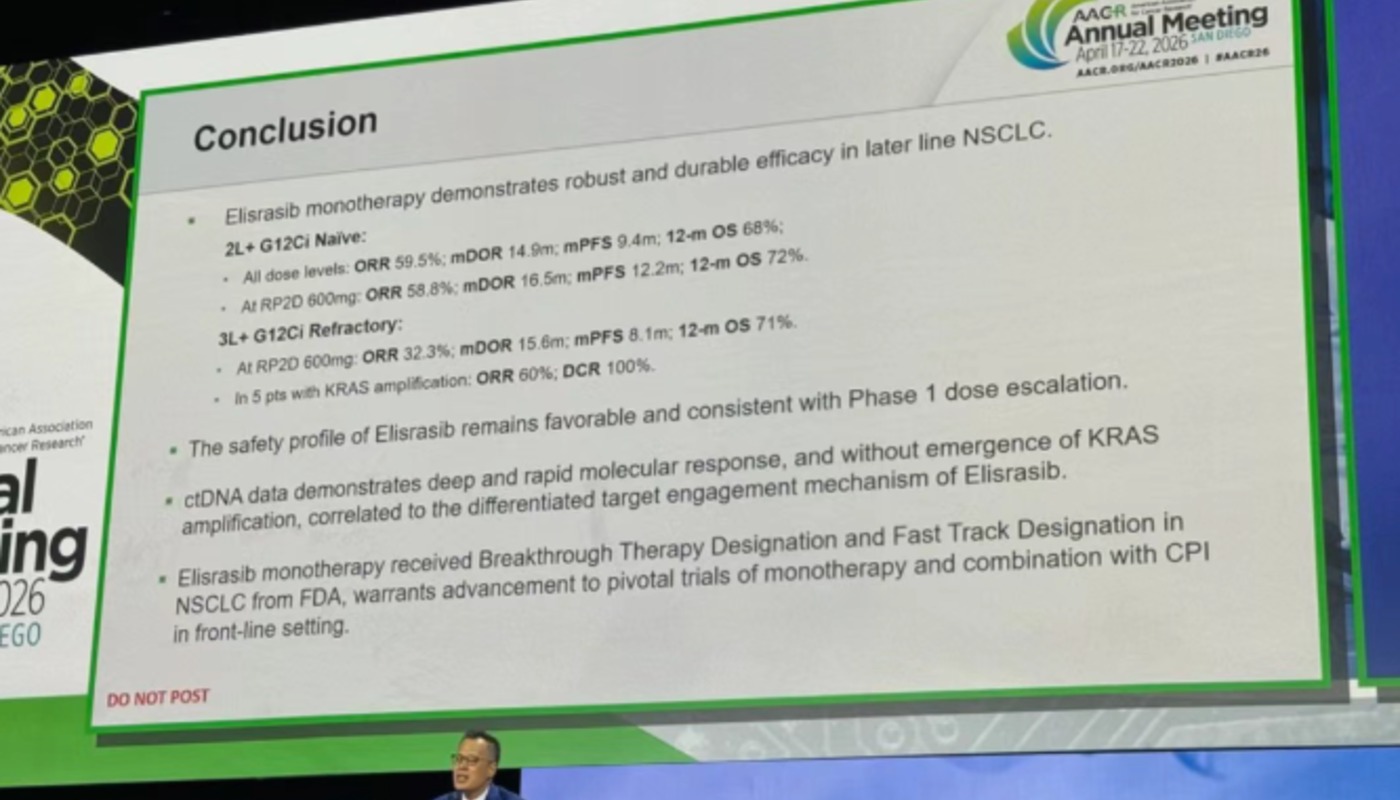
D3 Bio unveiled the latest clinical trial data for its self-developed, next-generation KRAS G12C inhibitor, Elisrasib (D3S-001).
At the AACR 2026 Annual Meeting, Junshi Biosciences made a significant impact by presenting multiple heavy-hitting pipelines under its "Immuno-Oncology 2.0 (IO 2.0)" strategy. The latest clinical and preclinical data for two "star pipelines"—the PD-1/VEGF bispecific antibody JS207 and the EGFR/HER3 bispecific ADC JS212—were particularly eye-catching, demonstrating Junshi’s explosive potential in next-generation cancer therapies.
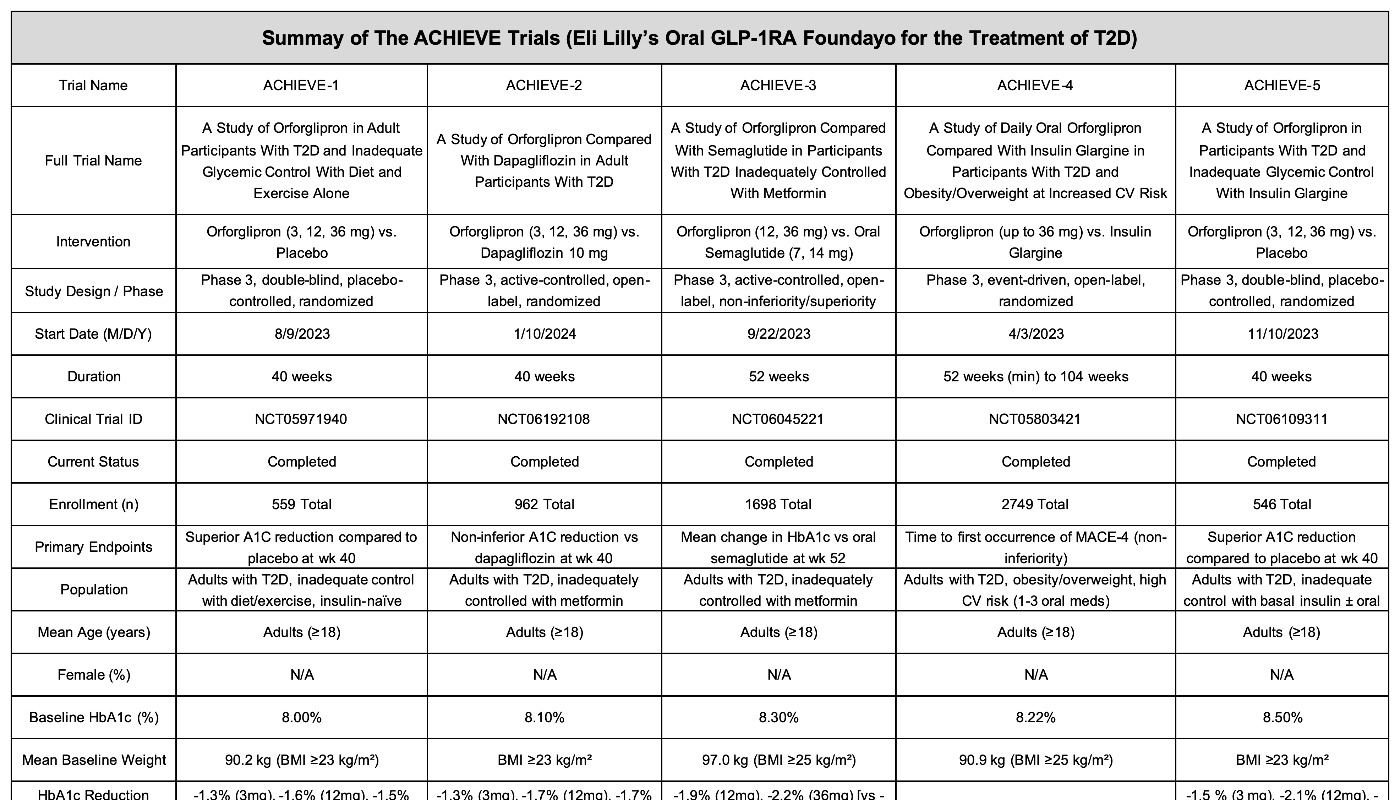
To fully benchmark against semaglutide, Eli Lilly has constructed an extensive and rigorous clinical development program for Orforglipron in type 2 diabetes (T2D): the global Phase 3 ACHIEVE program. This article summarizes the key clinical trials within the ACHIEVE program, including timelines, study designs, clinical data, and data sources.
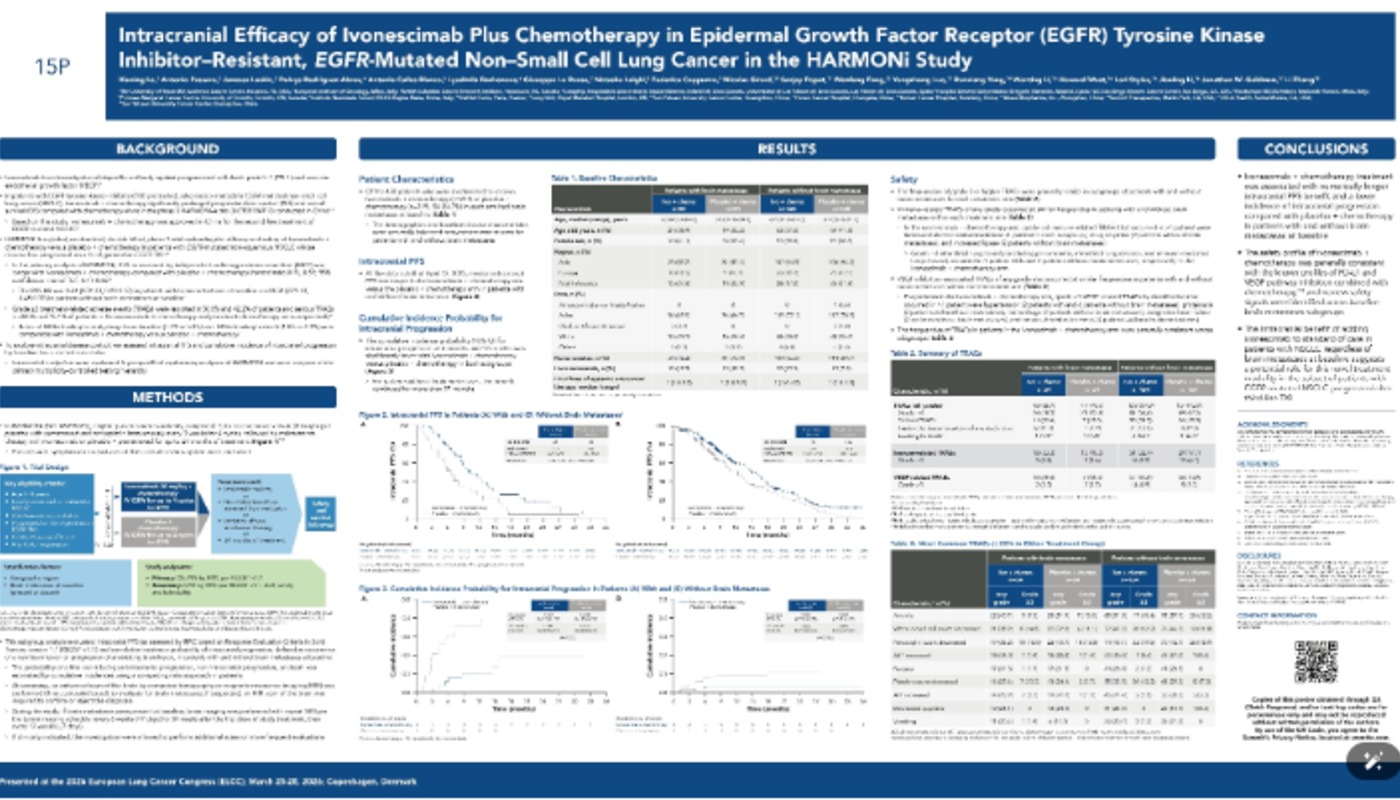
Intracranial Efficacy of Ivonescimab Plus Chemotherapy in Epidermal Factor Receptor (EGFR) Tyrosine Kinase Inhibitor-Resistant, EGFR-Mutated Non-Small Cell Lung Cancer in the HARMONI Study
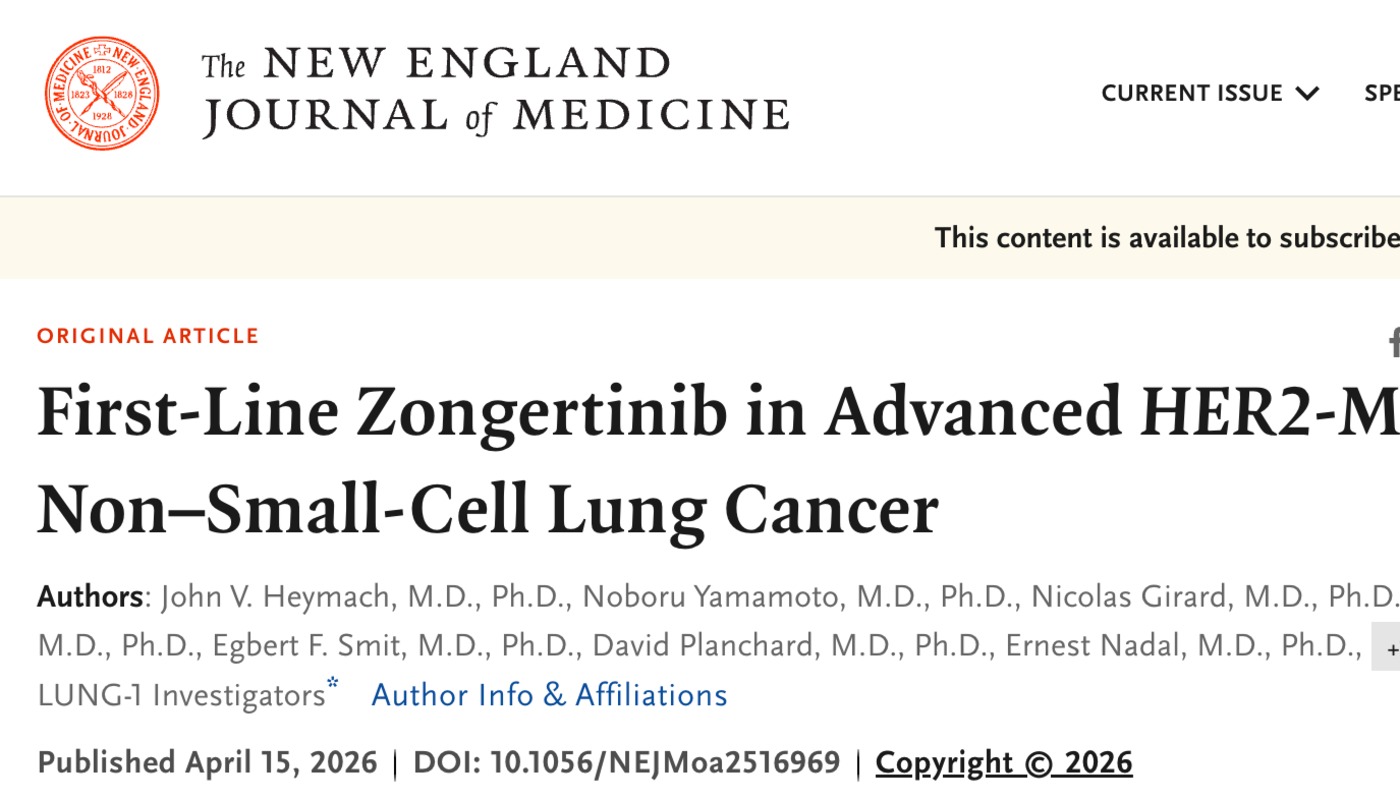
The New England Journal of Medicine (NEJM) published a landmark clinical study highlighting the remarkable efficacy of the novel oral HER2 inhibitor, Zongertinib, as a first-line treatment for patients with HER2-mutant non-small cell lung cancer (NSCLC).
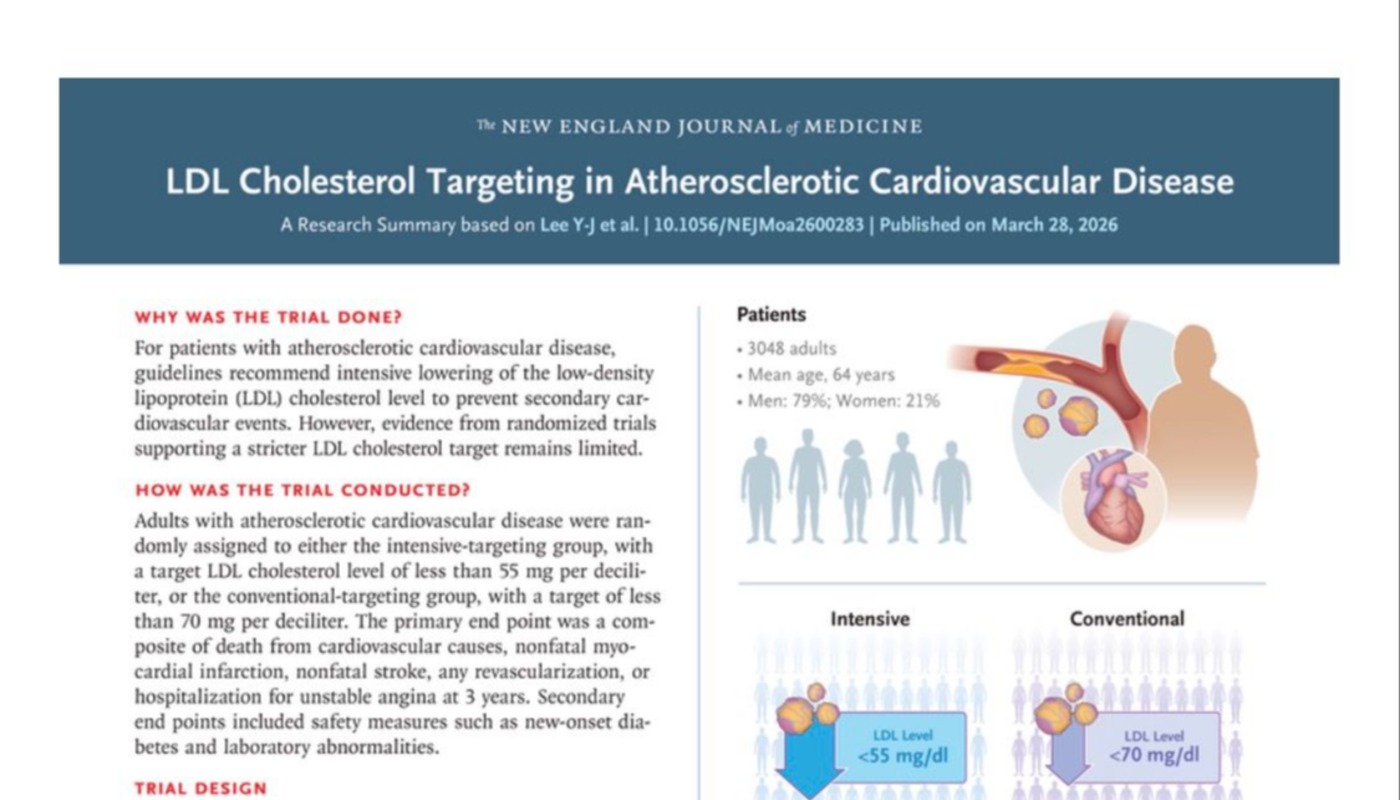
The New England Journal of Medicine (NEJM) recently published the results of the Ez-PAVE trial. This article interprets the key data from the study to further explore core pain points in the cardiometabolic market and opportunities for pipeline positioning.
 5 min
 1 files